What Is Cupping Therapy? A Plain-Language Guide
6 min read
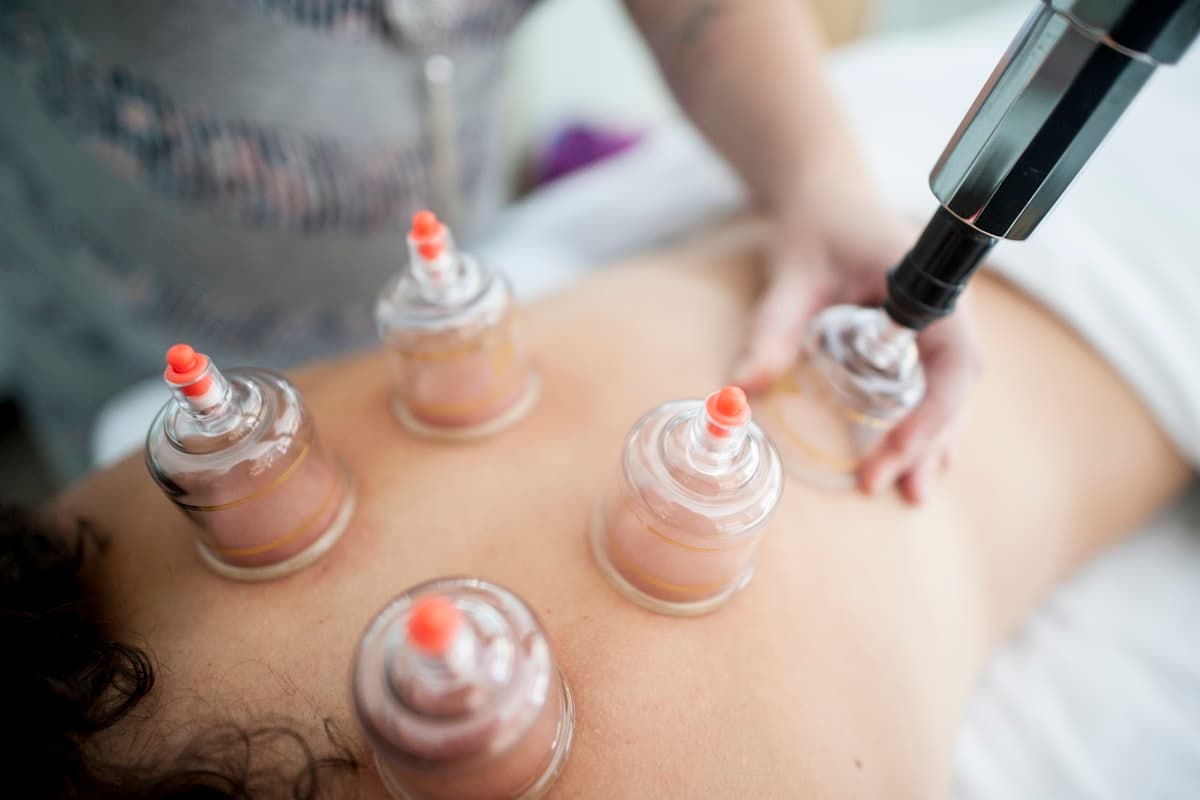
Cupping therapy places cups on the skin and uses suction to gently pull the tissue underneath upward. That draws blood to the area, loosens tight muscles and fascia, and can help you move and recover better.
It has been used for thousands of years in traditional medicine, and today it is offered by licensed massage therapists, acupuncturists, physical therapists, and chiropractors. This guide covers how it works, the main types, and what a first session is like.
How cupping works
A provider places a cup on your skin and removes the air inside it, either with a hand pump or a brief flame. The vacuum lifts the skin and the layer of connective tissue called fascia. Instead of pressing down like a massage, cupping pulls up.
That decompression increases blood flow to the area and creates space in tissue that has become tight or stuck. Many people describe the feeling as a firm, steady tug that is relaxing rather than painful.
The main types of cupping
There is more than one way to cup. The right style depends on your goal and the provider's training. We cover each one in detail in the guide to types of cupping therapy.
- Dry cupping uses suction alone, with no fire and no incisions. It is the most common form.
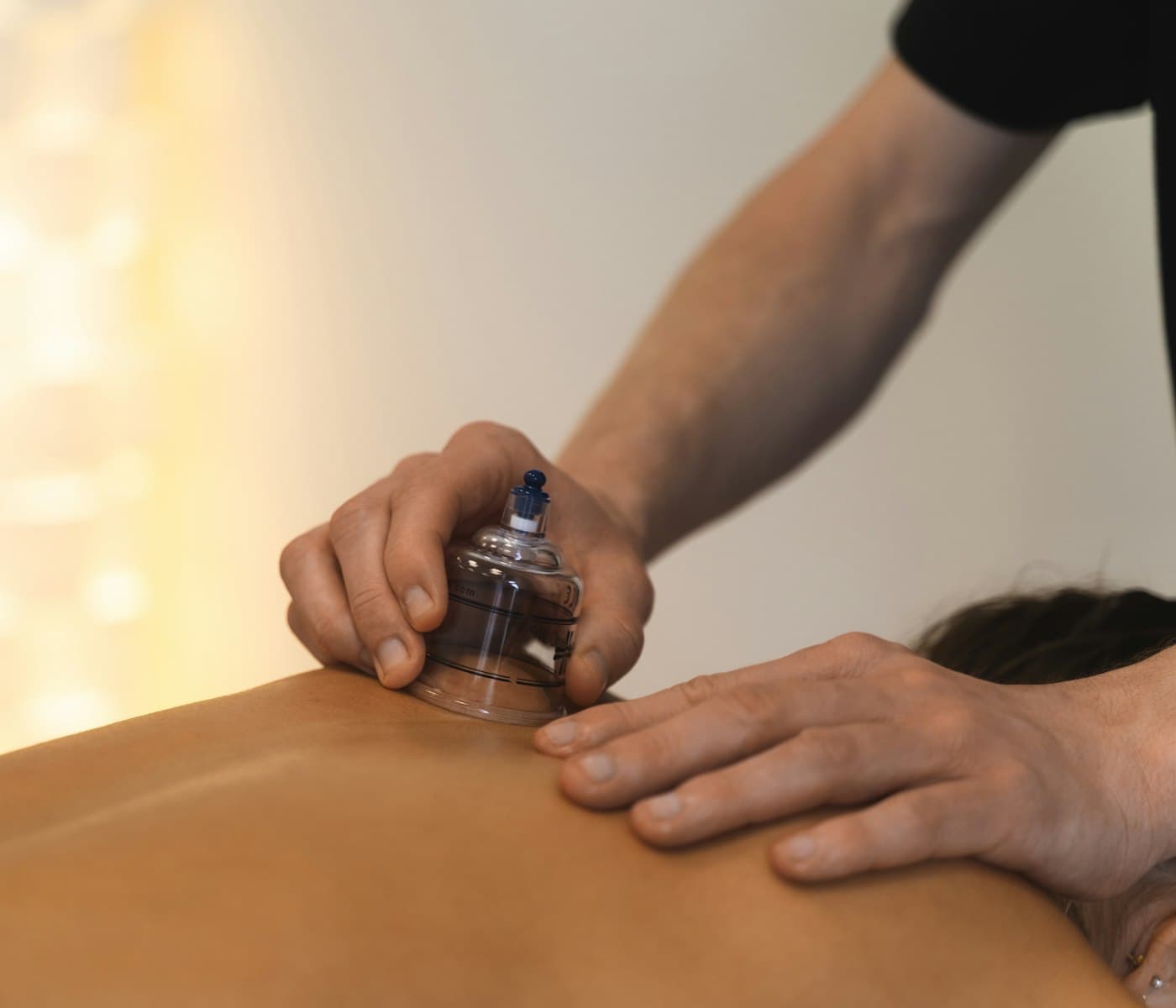
- Massage cupping glides oiled cups across the skin to release muscle tension.
- Fire cupping warms a glass cup so it grips the skin as the air cools, a traditional method.
- Myofascial decompression is cupping used in physical therapy and sports rehab.
What it helps with
People use cupping for tight muscles, back and neck tension, limited range of motion, and recovery after training. It pairs well with massage and other hands-on care. For a fuller picture, see the guide to cupping therapy benefits.
Cupping is a supportive therapy, not a cure. A good provider will set clear expectations and fold it into a broader plan for your goals.
Who performs cupping
Cupping sits at the crossroads of several professions. Licensed massage therapists, acupuncturists, physical therapists, and chiropractors all offer it, and each brings a different angle. You can compare providers by profession and style on cuppingtherapynearme.com.
Trying cupping at home
Simple suction cups are safe to use at home once you understand the basics. Many people start with a professional-grade kit like the Myofascial Releaser cupping set, which includes 18 cups, hand pumps, and an instruction booklet. For anything beyond general tension, it is worth seeing a provider first.
Common questions
Does cupping therapy hurt?
Most people find it comfortable. Stationary cups create a pulling sensation and gliding cups feel like a firm massage. It should not be painful, so tell your provider if the suction feels too strong.
How long does a cupping session take?
Cups are usually left in place for 5 to 15 minutes, and a full session including assessment and other bodywork often runs 30 to 60 minutes.
Is cupping safe?
For most healthy adults it is very safe when done by a trained provider. See the guide to whether cupping is safe for who should check with a provider first.
Find a cupping provider
Search licensed therapists who offer cupping in your city and compare credentials, styles, and reviews.
Find a provider near youTry cupping at home
The professional set many therapists use, with 18 cups, hand pumps, and an instruction booklet.
See the cupping setKeep reading
Types of Cupping Therapy: Dry, Fire, Wet, and More
Dry, fire, wet, massage, facial, and myofascial decompression cupping, and who offers each.
Cupping Therapy Benefits: What It Can and Cannot Do
Circulation, muscle tension, range of motion, recovery, and stress relief, with an honest note on the limits of the evidence.
What to Expect at Your First Cupping Session
Booking, intake, what happens on the table, the marks, and aftercare, walked through for a first-timer.
This guide is educational and is not medical advice. For a diagnosis or treatment plan, talk to a qualified provider.