Does Cupping Therapy Work? What the Evidence Says
6 min read
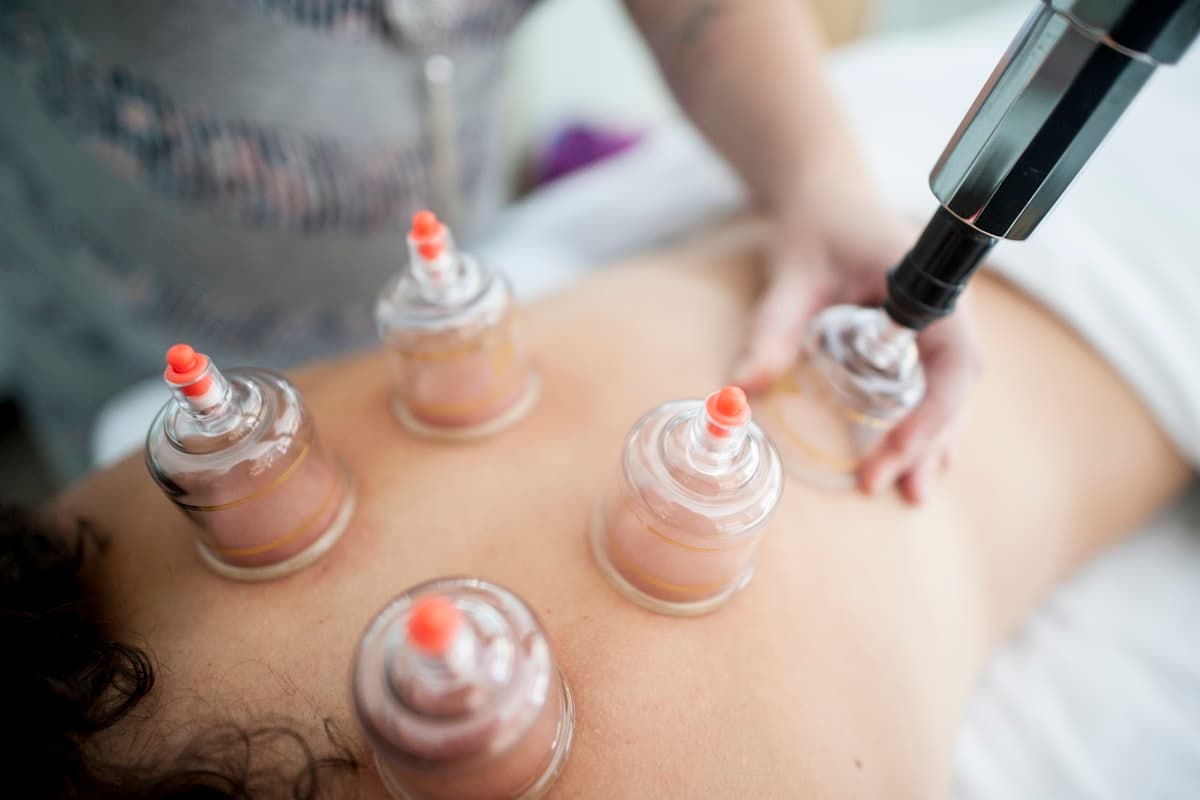
Does cupping actually work, or does it just feel nice? It is a fair question, and the honest answer sits somewhere in the middle.
This guide gives you a balanced summary of what the research suggests, where it falls short, and why so many people still find cupping useful. For the underlying idea, see what cupping therapy is.
The short answer
Some studies suggest cupping can offer short-term relief for problems like neck pain, lower back pain, and muscle soreness. Many people report feeling looser and more comfortable after a session.
At the same time, the research is limited and the results are mixed. There is no strong proof that cupping treats any disease, so it is best seen as a supportive therapy for tension and soreness.
What the research suggests
The studies that exist tend to focus on musculoskeletal pain, such as the neck, shoulders, and lower back, and on recovery after exercise. Several report modest, short-term improvements in pain and comfort.
The effects that show up are usually small and short-lived rather than dramatic or lasting. That fits how most people use cupping, as regular maintenance for tight muscles rather than a one-time fix.
Why the evidence is hard to trust fully
Cupping is genuinely difficult to study well. Trials are often small, run for a short time, and vary a lot in technique, which makes it hard to compare results across studies.
It is also hard to design a fake, or placebo, version of cupping, because the marks and the pulling sensation are obvious. When you cannot blind people to the treatment, expectation can influence how they rate their pain.
The role of placebo and the massage effect
Part of the benefit people feel may come from expectation and the relaxing, hands-on nature of a session. That does not make the relief imaginary, since feeling better is a real outcome, but it does affect how we read the studies.
Cupping also rarely happens on its own. It usually comes with assessment, massage, and gliding strokes across the muscles, so some of the relief people credit to the cups may come from the bodywork around them.
Why people still find it useful
Even with mixed evidence, plenty of people keep coming back because cupping helps them feel looser, calmer, and more ready to move. Low risk plus a good subjective payoff is a reasonable trade for many.
If you want to try it and judge for yourself, you can find a provider by profession and style on cuppingtherapynearme.com. For a fuller list of what it may help with, see cupping therapy benefits.
Deciding if it is worth trying
For most healthy adults, cupping is low risk, so trying it for tight muscles or soreness is reasonable if you keep expectations realistic. Before you book, it is worth reading up on whether cupping is safe and who should check with a provider first.
If you prefer to start gently at home, a complete kit like the Myofascial Releaser cupping set lets you experiment with light suction on tight areas before committing to sessions.
Common questions
Is cupping backed by science?
Partly. Some studies suggest short-term relief for neck pain, back pain, and muscle soreness, but the research is limited and mixed. There is no strong proof that cupping treats disease.
Is cupping just a placebo?
Expectation and the relaxing, hands-on nature of a session likely play a role, and cupping usually comes with massage. That does not make the relief fake, but it does mean the effect is hard to pin on the cups alone.
What conditions might cupping help with?
The evidence, such as it is, centers on musculoskeletal issues like neck and back pain and post-exercise soreness. It is a supportive therapy for tension, not a treatment for medical conditions.
Should I try cupping if the evidence is mixed?
For most healthy adults it is low risk, so trying it for tight muscles is reasonable if your expectations stay realistic. Check with a provider first if you have a health condition or take blood thinners.
Find a cupping provider
Search licensed therapists who offer cupping in your city and compare credentials, styles, and reviews.
Find a provider near youTry cupping at home
The professional set many therapists use, with 18 cups, hand pumps, and an instruction booklet.
See the cupping setKeep reading
Cupping Therapy Benefits: What It Can and Cannot Do
Circulation, muscle tension, range of motion, recovery, and stress relief, with an honest note on the limits of the evidence.
Is Cupping Therapy Safe? Side Effects and Who Should Be Careful
The common temporary side effects of cupping, who should check with a provider first, and how to choose a safe practitioner.
What Is Cupping Therapy? A Plain-Language Guide
How cupping works, who performs it, and what a session feels like, in plain language.
This guide is educational and is not medical advice. For a diagnosis or treatment plan, talk to a qualified provider.