Cupping Marks Explained: What the Circles Mean
5 min read

The circular marks are the first thing most people notice about cupping. They can look dramatic, so it helps to know what they actually are.
The short version is that the marks come from suction drawing blood toward the surface of the skin, and they usually fade on their own within a few days to about a week. Here is the full picture, plus when a mark is worth a second look. For background, see what cupping therapy is.
What causes the round marks
When a cup pulls the skin upward, it draws blood into the small vessels near the surface. Some of that blood settles into the tissue, which leaves a temporary round mark where the cup sat.
This is why stationary dry and fire cupping tend to leave clear circles, while gliding or moving cupping usually leaves lighter, more spread-out coloring. To see which styles are more likely to mark, see the guide to types of cupping therapy.
They are not bruises from impact
A bruise comes from a blow that damages tissue. A cupping mark comes from gentle suction pulling blood toward the surface, with no impact and no crushing of the tissue.
That difference is why cupping marks are usually painless. A true bruise is tender to the touch, while a typical cupping mark you can press without much discomfort.
What the colors mean
Marks can range from light pink to deep purple, and the shade depends on the person, the area, and how much suction was used. Darker does not mean better, and a strong mark is not a sign of a better treatment.
Some traditions read meaning into the colors, but there is no solid evidence for that. It is more useful to treat the color as a rough sign of how much blood was drawn to the surface, nothing more.
How long they last
Most cupping marks fade within a few days to about a week as your body reabsorbs the settled blood, much like a bruise clears over time.
Lighter marks from gliding cupping often fade within a day or two. If you have an event coming up, tell your provider so they can use lighter suction or place cups where clothing will cover them.
How to care for your skin afterward
Aftercare is simple. Drink water, keep the area warm, and avoid harsh sun, hot tubs, saunas, or very hard workouts for the rest of the day so the skin can settle.
The skin over a fresh mark can be slightly sensitive, so go easy on it. If you cup at home with a kit like the Myofascial Releaser cupping set, start with lighter suction and shorter times until you learn how your skin responds.
When to be concerned
Normal marks are painless and fade on their own. Check in with a provider if a mark blisters, breaks the skin, stays painful, swells, or has not faded after a couple of weeks.
If you bruise very easily or take blood thinners, talk with a provider before your session and read up on whether cupping is safe. To find someone trained in the style you want, browse providers on cuppingtherapynearme.com.
Common questions
Do cupping marks hurt?
Usually not. Unlike a bruise from impact, a cupping mark comes from gentle suction, so it is typically painless and you can press it without much discomfort.
How long do cupping marks take to fade?
Most fade within a few days to about a week as your body reabsorbs the settled blood. Lighter marks from gliding cupping often clear in a day or two.
Does a darker mark mean the treatment worked better?
No. Color depends on the person, the area, and the suction used. A darker mark is not a sign of a better session, and there is no solid evidence behind reading meaning into the shade.
When should I worry about a cupping mark?
See a provider if a mark blisters, breaks the skin, stays painful, swells, or has not faded after a couple of weeks. Those are not typical and are worth checking.
Find a cupping provider
Search licensed therapists who offer cupping in your city and compare credentials, styles, and reviews.
Find a provider near youTry cupping at home
The professional set many therapists use, with 18 cups, hand pumps, and an instruction booklet.
See the cupping setKeep reading
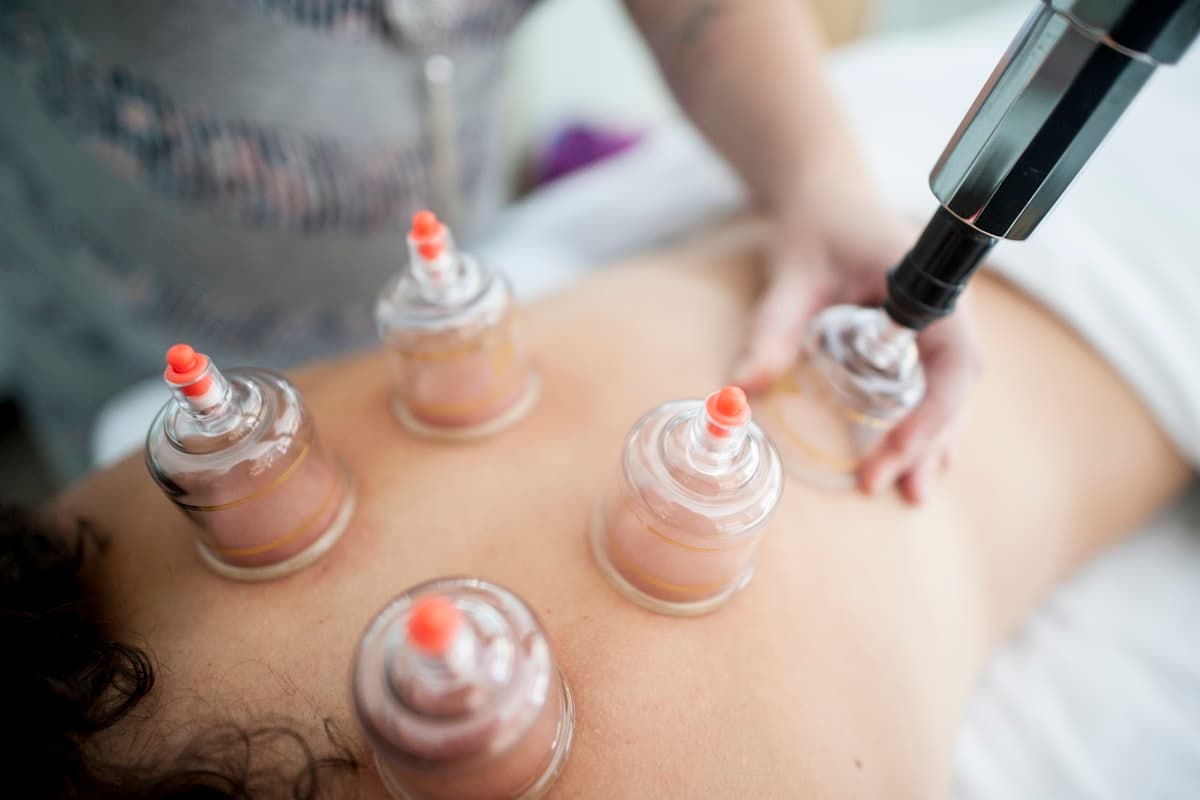
What Is Cupping Therapy? A Plain-Language Guide
How cupping works, who performs it, and what a session feels like, in plain language.
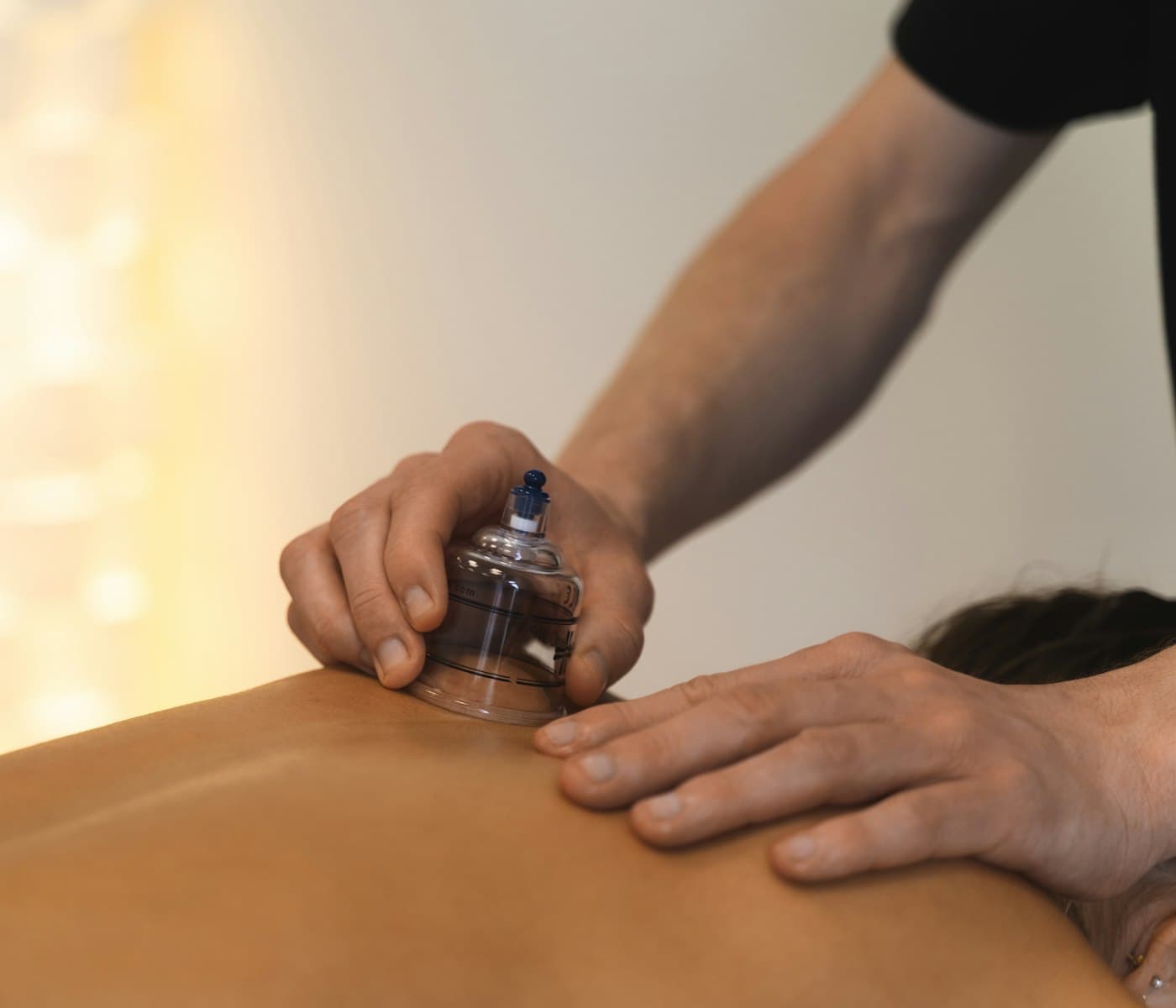
Types of Cupping Therapy: Dry, Fire, Wet, and More
Dry, fire, wet, massage, facial, and myofascial decompression cupping, and who offers each.
Is Cupping Therapy Safe? Side Effects and Who Should Be Careful
The common temporary side effects of cupping, who should check with a provider first, and how to choose a safe practitioner.
This guide is educational and is not medical advice. For a diagnosis or treatment plan, talk to a qualified provider.