Is Cupping Therapy Safe? Side Effects and Who Should Be Careful
6 min read
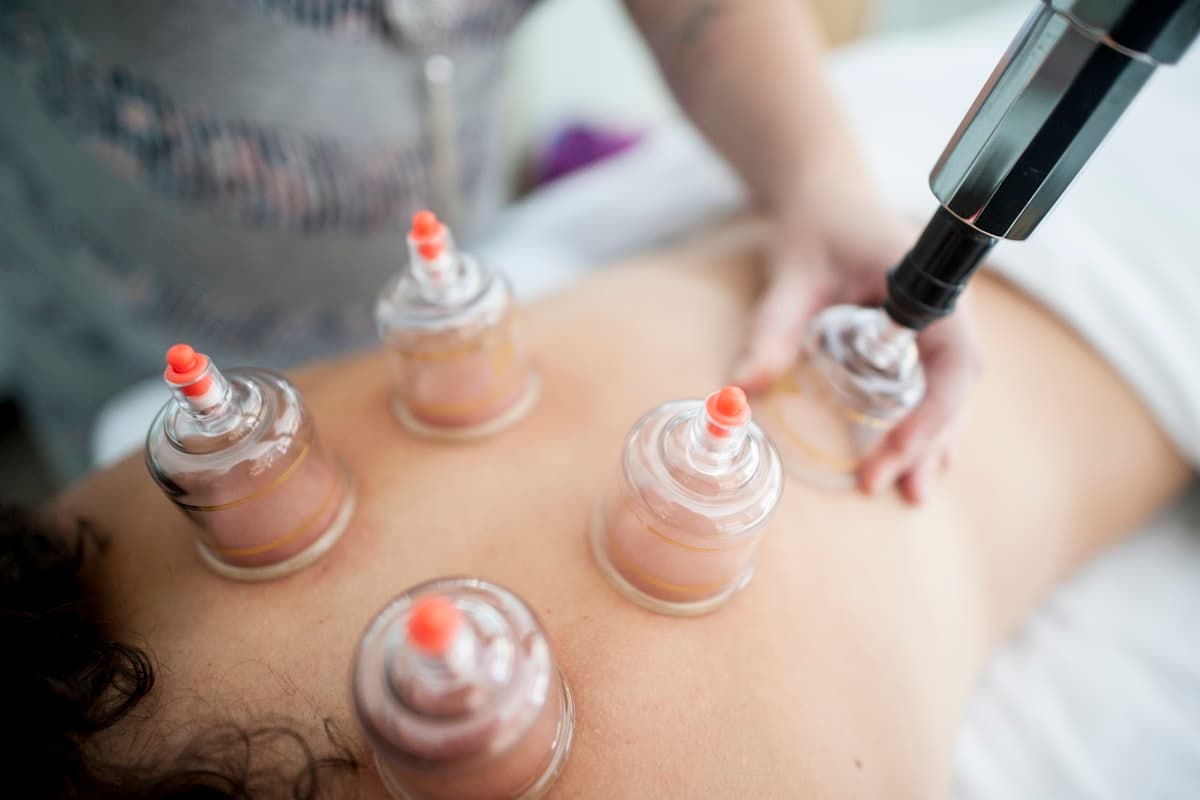
For most healthy adults, cupping is a low-risk therapy when a trained provider does it. The most common effects are temporary and mild, like round marks, brief soreness, and sometimes a little lightheadedness.
Some people should be more careful or check with a doctor before trying it. This guide covers the usual side effects, the conditions that call for extra caution, and how to pick a provider who works safely. It is educational and not medical advice.
Common, temporary side effects
Most side effects are short-lived and expected. They come from the suction pulling blood toward the surface, which is part of how cupping works. If you know what is normal, you are less likely to be surprised after a session. For a fuller overview of the therapy, see what cupping therapy is.
- Circular marks that range from pink to dark purple and usually fade in a few days to two weeks. These are covered in the guide to cupping marks.
- Mild soreness or tenderness in the treated area, similar to how you feel after a firm massage.
- Lightheadedness during or right after a session, which usually passes with rest and water.
- Temporary skin irritation or itchiness where the cups sat.
Less common risks
Serious problems are uncommon, and most trace back to poor technique or an untrained provider. Leaving cups on too long or using suction that is too strong can cause blistering or a small burn with fire cupping. A skilled provider adjusts the strength and timing to your skin and comfort.
Because good technique matters so much, the provider you choose is the biggest safety factor. More on that below.
Who should check with a provider or doctor first
Cupping is not right for everyone, and some situations call for a green light from a doctor before you book. If any of these apply to you, talk it through first.
- Pregnancy, where certain areas such as the abdomen and lower back are usually avoided.
- Blood thinners or a bleeding disorder, since suction draws blood to the surface and can increase bruising.
- Skin conditions, wounds, or infections in the area, which cups should never be placed over.
- Some cardiovascular conditions or poorly controlled blood pressure, where a provider may adjust or skip treatment.
Extra care with wet cupping (hijama)
Dry cupping leaves the skin intact. Wet cupping, also called hijama, makes small, shallow incisions to draw a little blood, so it carries a higher standard for hygiene and training. Learn how the styles differ in the guide to types of cupping therapy.
If you choose wet cupping, look for a provider who uses sterile, single-use equipment and follows clear infection-control steps. Because the skin is broken, clean technique is not optional here.
How to choose a safe provider
The single best way to keep cupping safe is to see someone trained and licensed for it, such as a licensed massage therapist, acupuncturist, or physical therapist. Ask about their training, how they clean equipment, and how they decide on suction strength.
You can compare providers by profession and style on cuppingtherapynearme.com. A good provider will ask about your health history before starting and will happily answer questions about safety.
Staying safe if you cup at home
Gentle dry cupping at home is reasonable for general muscle tension once you understand the basics. Keep the suction moderate, avoid bony areas and broken skin, and stop if anything feels sharp or painful.
Starting with a clear-instruction kit helps. A set like the Myofascial Releaser cupping set includes multiple cup sizes and a guide, which makes it easier to stay in a safe range. For anything beyond general tension, or if a health condition applies, see a provider first.
Common questions
Are the marks from cupping a sign of injury?
No. The circular marks are pooled blood drawn toward the surface by the suction, and they usually fade within a few days to two weeks. They are a normal, temporary effect rather than a bruise from impact.
Can I get cupping while pregnant?
Many people do, but certain areas such as the abdomen and lower back are usually avoided, and it is best to check with your doctor and a provider experienced with pregnancy first.
Is cupping safe if I take blood thinners?
Suction pulls blood toward the skin, so blood thinners and bleeding disorders can lead to more bruising. Talk with your doctor before booking a session.
Does cupping actually do anything, or is it just marks?
Cupping can ease muscle tension and improve local circulation, and many people feel looser afterward. For a balanced look at the evidence, see whether cupping therapy works.
Find a cupping provider
Search licensed therapists who offer cupping in your city and compare credentials, styles, and reviews.
Find a provider near youTry cupping at home
The professional set many therapists use, with 18 cups, hand pumps, and an instruction booklet.
See the cupping setKeep reading
What Is Cupping Therapy? A Plain-Language Guide
How cupping works, who performs it, and what a session feels like, in plain language.

Cupping Marks Explained: What the Circles Mean
Why cupping leaves round marks, what the colors mean, how long they last, and simple aftercare.
Does Cupping Therapy Work? What the Evidence Says
A balanced summary of the evidence, from short-term pain relief to the role of placebo and the massage that comes with it.
This guide is educational and is not medical advice. For a diagnosis or treatment plan, talk to a qualified provider.