What to Expect at Your First Cupping Session
6 min read
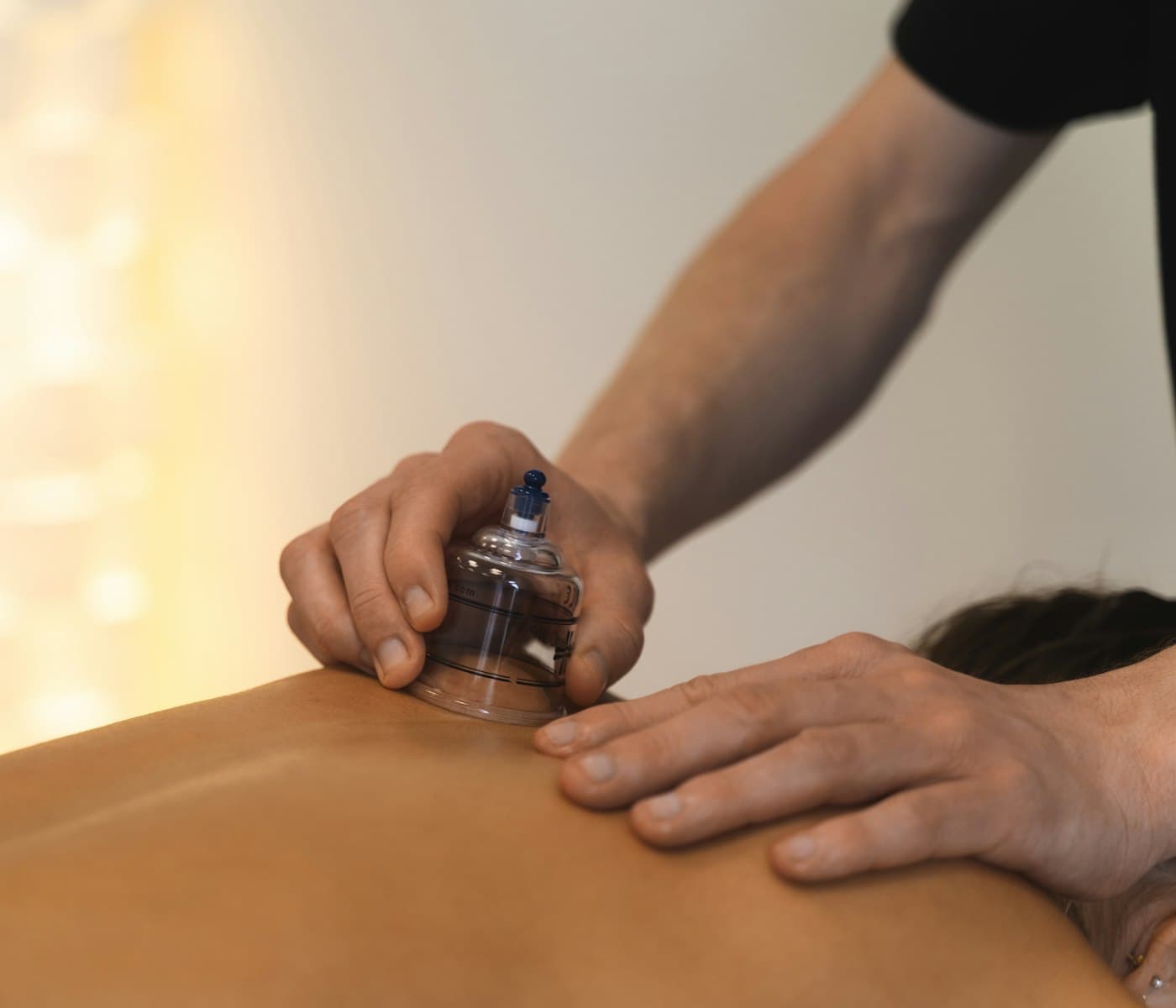
Your first cupping session is short and low-key. A provider asks about your goals, places a few cups, and lets the suction do its work while you rest.
Knowing the steps ahead of time makes it easier to relax. Here is what happens from booking to aftercare, and how to get the most out of the visit. If you want the basics first, start with what cupping therapy is.
Booking and finding a provider
Cupping is offered by licensed massage therapists, acupuncturists, physical therapists, and chiropractors. Each brings a slightly different style, so pick one that matches your goal, whether that is general muscle tension or rehab and mobility.
You can search by profession, style, and location on cuppingtherapynearme.com. When you book, ask whether cupping is a standalone visit or added to a massage, and how long to plan for.
The intake and health questions
Before any cups go on, your provider will ask a few questions. Expect to cover where you feel tension, any injuries, medications like blood thinners, skin conditions, and whether you are pregnant.
This is not a formality. The answers tell the provider where to place cups, how much suction to use, and which areas to avoid. Be honest, and mention anything that has changed since you booked.
What happens during the session
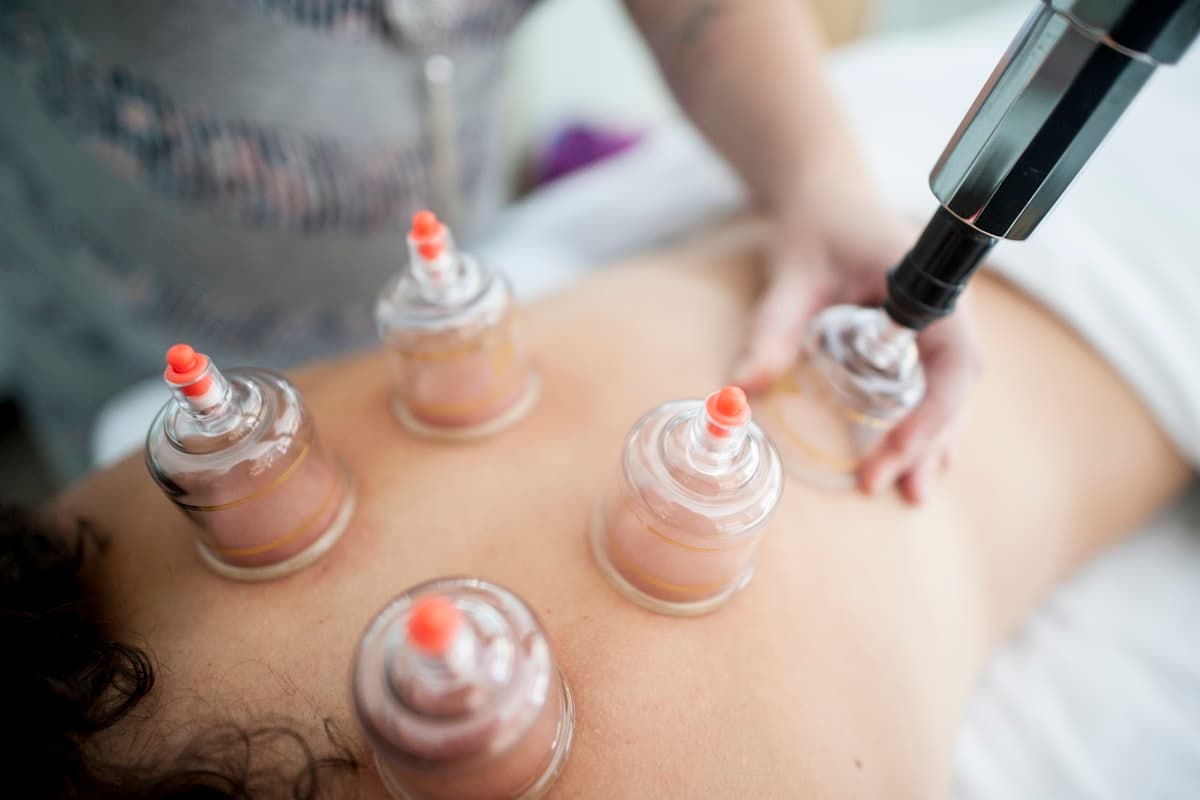
You will lie on a table, usually face down for back and shoulder work. The provider places a cup on the skin and removes the air with a hand pump, which lifts the tissue underneath into the cup.
Most first sessions use dry cupping, where the cups stay in one spot for a few minutes. Some providers glide oiled cups across the muscle instead, which feels like a firm massage. You feel a steady pull, a tight tug, or a warm ache. It should never be sharp or painful, so speak up if the suction feels too strong.
How long it lasts
Cups are usually left in place for 5 to 15 minutes. A full visit, including the intake and any massage or movement work, often runs 30 to 60 minutes.
A first session may be on the shorter side while the provider sees how your skin and muscles respond. That is normal and a sign of a careful practitioner.
The marks and how you may feel afterward
Cupping often leaves round marks where the cups sat. They can range from light pink to deep purple and usually fade over 3 to 10 days. They are not bruises in the usual sense, and most people feel no pain from them. The guide to cupping marks explains what the colors mean.
After the session you may feel loose and relaxed, a little tired, or slightly sore like after a workout. Some people feel lighter in the treated area right away. All of this is common and short-lived.
Aftercare and how to prepare
Drink water, keep the area warm, and skip intense workouts, alcohol, hot saunas, and long sun exposure for the rest of the day. Loose clothing over the marked area is comfortable while it fades.
To prepare, eat a light meal beforehand, arrive hydrated, and wear or bring clothing that gives easy access to the area you want worked on. If you want to try gentle dry cupping between visits, a complete kit like the Myofascial Releaser cupping set comes with multiple cup sizes, hand pumps, and clear instructions.
Common questions
Should I eat before a cupping session?
Yes, a light meal is best. Arriving on an empty stomach can leave you lightheaded, and cupping can create a mild draining feeling, so eat something and drink water beforehand.
What should I wear to my first session?
Wear or bring loose, comfortable clothing that gives the provider easy access to the area you want treated. For back work you will usually lie face down with that area uncovered.
Will I have marks after one session?
Often yes. Stationary dry cupping tends to leave round marks that fade over 3 to 10 days. Gliding and facial cupping usually leave little to none because the cups keep moving.
Is a first cupping session safe?
For most healthy adults it is very safe with a trained provider. See the guide on whether cupping is safe for who should check with a provider first.
Find a cupping provider
Search licensed therapists who offer cupping in your city and compare credentials, styles, and reviews.
Find a provider near youTry cupping at home
The professional set many therapists use, with 18 cups, hand pumps, and an instruction booklet.
See the cupping setKeep reading
What Is Cupping Therapy? A Plain-Language Guide
How cupping works, who performs it, and what a session feels like, in plain language.

Cupping Marks Explained: What the Circles Mean
Why cupping leaves round marks, what the colors mean, how long they last, and simple aftercare.
Is Cupping Therapy Safe? Side Effects and Who Should Be Careful
The common temporary side effects of cupping, who should check with a provider first, and how to choose a safe practitioner.
This guide is educational and is not medical advice. For a diagnosis or treatment plan, talk to a qualified provider.