Cupping vs Dry Needling: What's the Difference?
6 min read
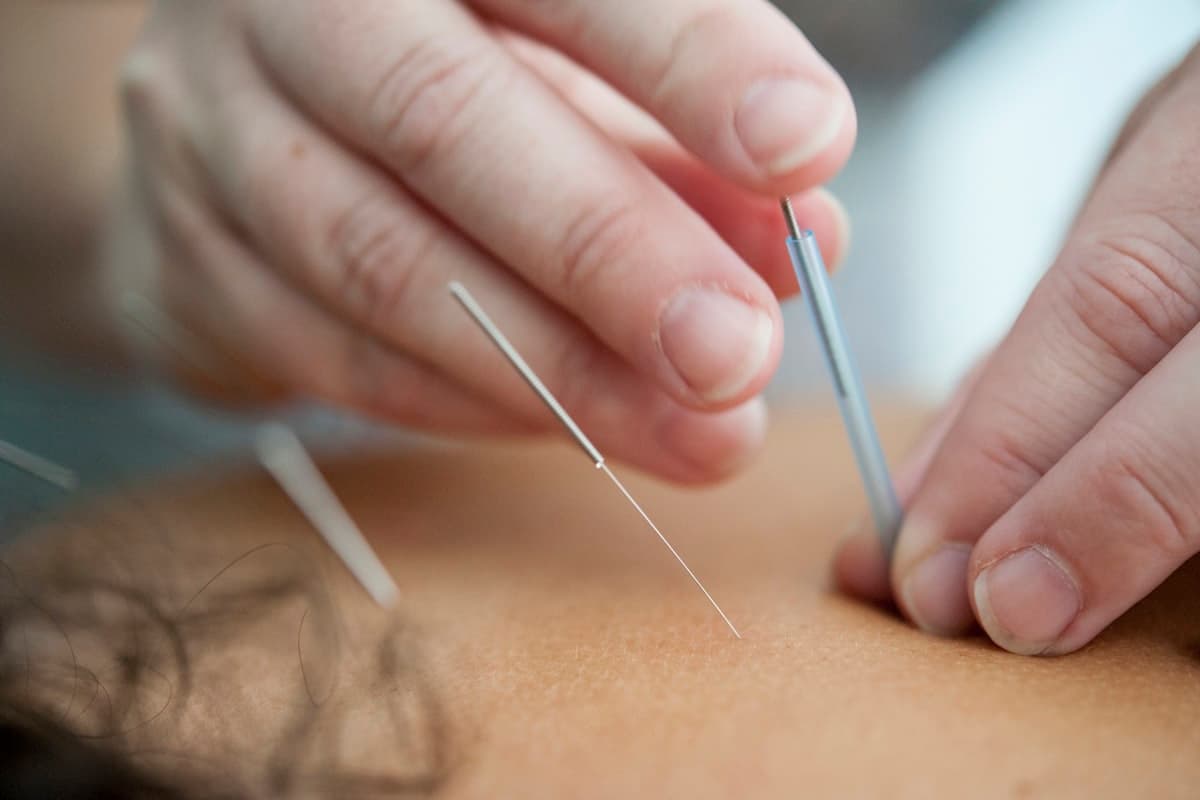
Cupping and dry needling both aim to ease muscle tension and improve how you move, but they work in opposite physical directions. Cupping lifts tissue with suction and never breaks the skin. Dry needling pushes a thin needle into a tight spot in the muscle.
People often ask which is better. They target similar problems in different ways, and neither is clearly superior for everyone. Here is an honest comparison so you can talk with a provider about which fits your goals. If cupping is new to you, start with what cupping therapy is.
What cupping does
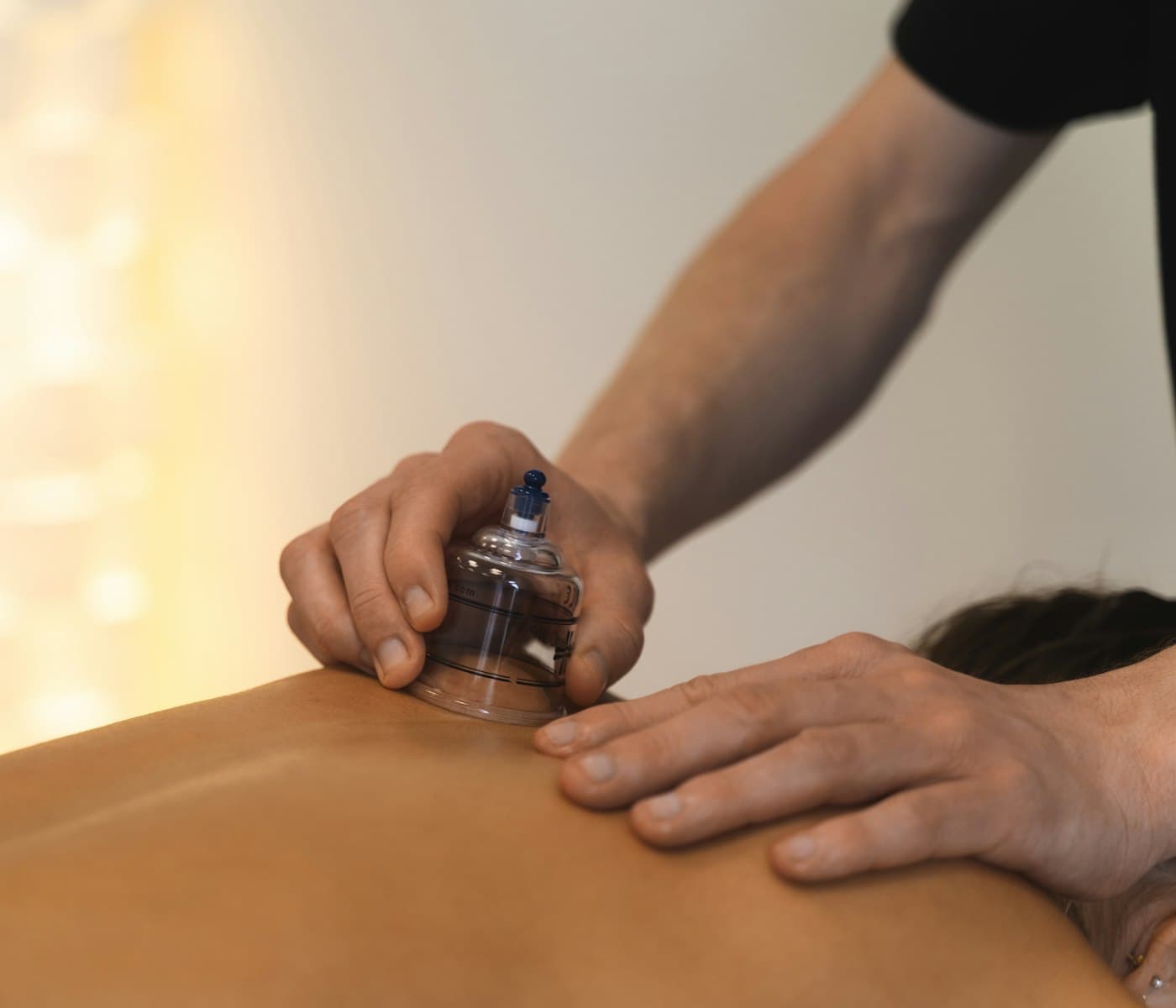
Cupping places cups on the skin and removes the air inside to create suction. That pulls the skin and the fascia underneath upward, which increases blood flow and creates space in tight tissue. There are no needles and the skin stays intact with the common dry-cupping style.
The styles range from stationary cups to gliding, oiled cups that move like a massage. You can read about each in the guide to types of cupping therapy.
What dry needling does
Dry needling inserts a thin filament needle, the same kind used in acupuncture, directly into a tight band of muscle called a trigger point. The goal is to prompt the muscle to twitch and release, which can reduce pain and improve movement.
It is called dry needling because the needle carries no medication. It is a Western, anatomy-based technique aimed at specific muscle knots.
How each one feels
Cupping feels like a firm, steady pull or, with gliding cups, a deep massage stroke. Most people find it relaxing, and it often leaves temporary round marks.
Dry needling feels different. You may feel a quick prick as the needle goes in, then a brief cramp or twitch when it reaches a trigger point. Some soreness afterward is common. It usually leaves little more than a tiny pinpoint, if anything.
What each one targets
Cupping works broadly across an area of muscle and fascia, which suits general tightness, restricted movement, and recovery. Dry needling is more pinpointed, aimed at a specific trigger point that a provider can feel.
If your issue is a broad region of tension, cupping may be the more comfortable fit. If it is one stubborn knot driving pain, dry needling may reach it more directly.
Who performs each
Cupping is offered by licensed massage therapists, acupuncturists, physical therapists, and chiropractors. Dry needling is done mainly by physical therapists, and by some chiropractors and other providers, depending on state rules. Not every state permits every profession to needle, so scope of practice varies.
You can compare cupping providers by profession and style on cuppingtherapynearme.com, then ask directly about training if you are weighing the two.
Used together, not against each other
These are not rival camps. Some providers use both in one plan, for example dry needling to release a specific trigger point and cupping to loosen the surrounding tissue and support circulation. Which comes first depends on your goals and how your body responds.
For a look at what cupping helps with on its own, see the guide to cupping therapy benefits. If you want to try gentle cupping between visits, a home kit like the Myofascial Releaser cupping set covers the basics with clear instructions.
Common questions
Which is better, cupping or dry needling?
Neither is better for everyone. Cupping works broadly and feels like a pull or massage, while dry needling targets a specific muscle knot with a thin needle. The right choice depends on your goal, your comfort with needles, and a provider's assessment.
Does dry needling hurt more than cupping?
They feel different. Cupping is usually comfortable with a firm pulling sensation, while dry needling can involve a quick prick and a brief muscle twitch, followed by some soreness. Pain tolerance varies from person to person.
Can I get cupping and dry needling in the same session?
Sometimes. Some providers combine them, using needling for a specific trigger point and cupping for the wider area. Ask your provider whether pairing them fits your plan.
Is dry needling the same as acupuncture?
They use similar needles but come from different traditions. Acupuncture follows traditional Chinese medicine points, while dry needling targets muscle trigger points based on Western anatomy.
Find a cupping provider
Search licensed therapists who offer cupping in your city and compare credentials, styles, and reviews.
Find a provider near youTry cupping at home
The professional set many therapists use, with 18 cups, hand pumps, and an instruction booklet.
See the cupping setKeep reading
Types of Cupping Therapy: Dry, Fire, Wet, and More
Dry, fire, wet, massage, facial, and myofascial decompression cupping, and who offers each.
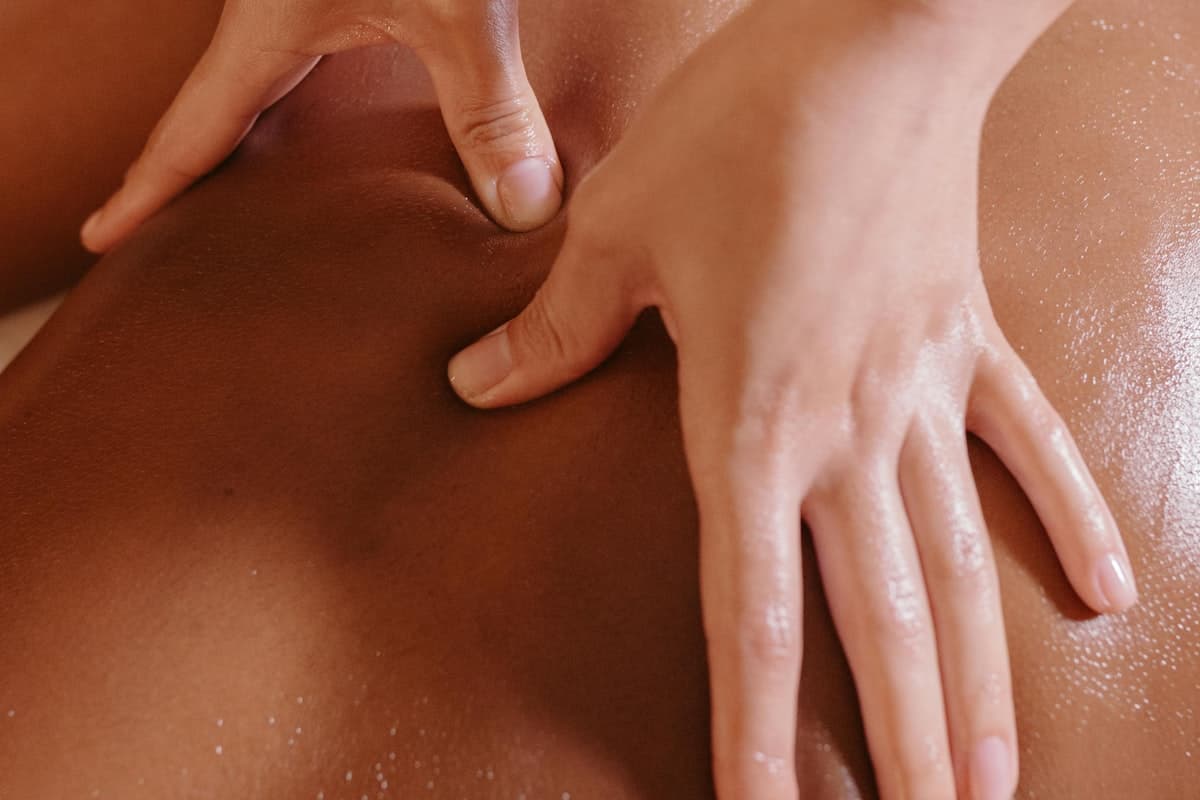
Cupping Therapy Benefits: What It Can and Cannot Do
Circulation, muscle tension, range of motion, recovery, and stress relief, with an honest note on the limits of the evidence.
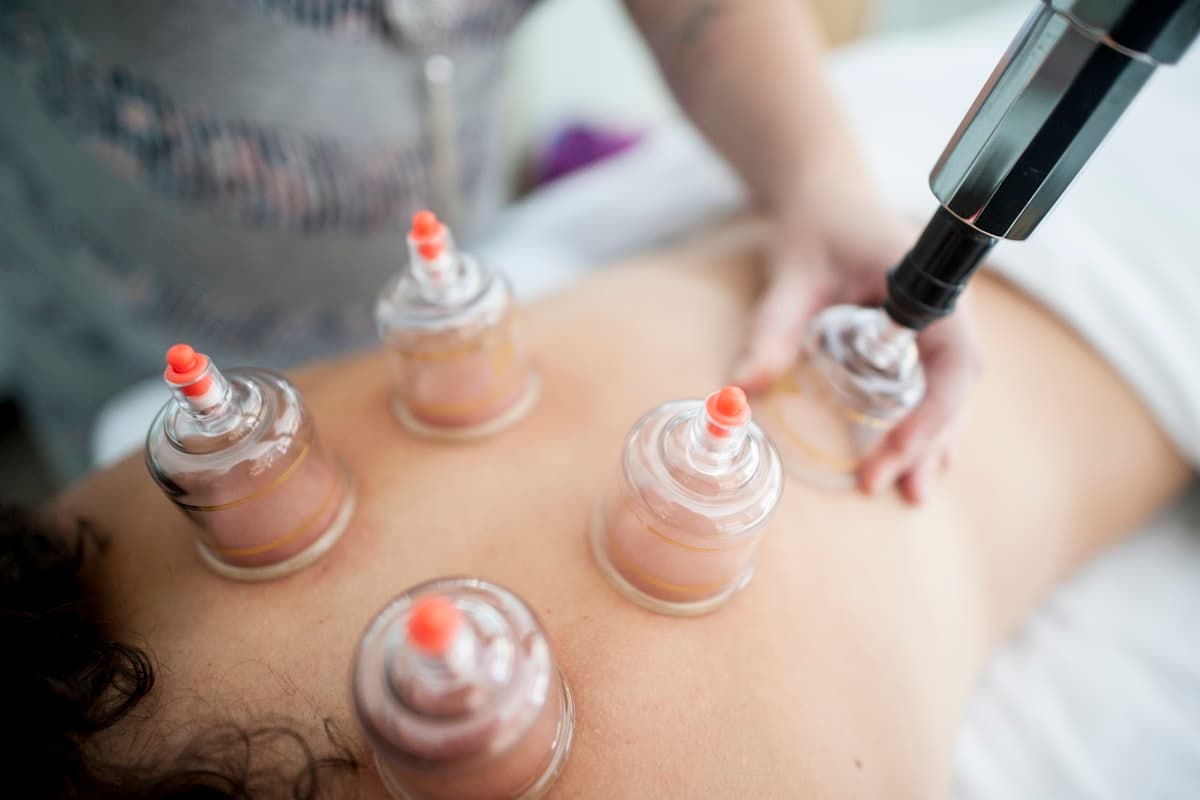
What Is Cupping Therapy? A Plain-Language Guide
How cupping works, who performs it, and what a session feels like, in plain language.
This guide is educational and is not medical advice. For a diagnosis or treatment plan, talk to a qualified provider.