Cupping Therapy for Athletes and Recovery
7 min read
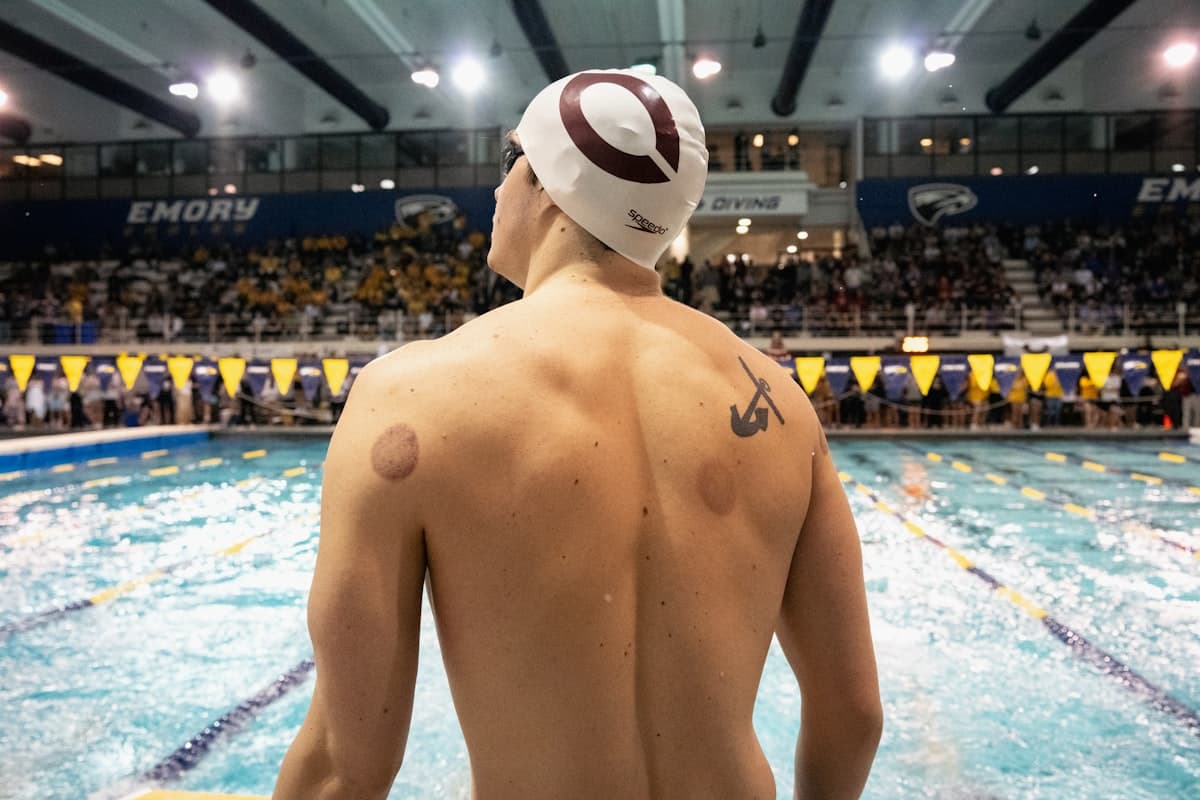
Athletes reach for cupping to loosen sore muscles, recover between hard sessions, and hold onto range of motion. The suction lifts tight tissue and brings blood to the area, which can help you feel looser before or after training.
Cupping became widely known when swimmers and other athletes showed up with round marks on their shoulders and backs. This guide covers why athletes use it, how it fits a training week, and what the evidence actually supports.
Why athletes use cupping
Hard training leaves muscles tight and sore, and cupping gives athletes a way to address that between sessions. The pulling action decompresses tissue that gets stiff from repetitive movement, and many athletes report feeling looser and moving more freely afterward.
It is popular because it is quick, hands-off once the cups are on, and pairs well with massage and mobility work. For the broader picture of what it helps with, see the guide to cupping therapy benefits.
Soreness and recovery between sessions
The most common reason athletes cup is to manage soreness on recovery days and keep tissue quality up across a heavy training block. Increased local blood flow is thought to support how muscles recover, and the session itself is relaxing, which helps on a rest day.
It works best as one tool in a recovery routine that also includes sleep, nutrition, and sensible training loads. Cupping supports recovery, it does not replace the basics.
Myofascial decompression with movement
In sports settings, cupping is often called myofascial decompression. What sets it apart is movement. A provider places the cups and then has you stretch or move the area while the suction is on, which targets mobility and how tissue glides during activity.
This active approach is common in physical therapy and athletic training rooms. It is one of the main styles covered in the guide to types of cupping therapy.
The marks that made it famous
Those circular marks on athletes at big competitions put cupping in the spotlight. The marks are temporary and come from blood drawn toward the surface by the suction. They are a side effect, not a measure of how well the session worked.
The visibility gave cupping a reputation as an athlete's recovery tool, which is fair, though the marks themselves say nothing about results.
An honest look at the evidence
Here is the straight version. Research on cupping for pain and short-term recovery is mixed and generally low quality, and there is little solid evidence that it improves athletic performance. Many athletes still find it useful for how it makes them feel, and that comfort has value on its own.
It is reasonable to use cupping because it helps you feel looser and recover, while keeping expectations grounded. For a balanced review of the science, see whether cupping therapy works.
Fitting cupping into your routine
Most athletes use cupping on recovery days or after training rather than right before peak performance, since the area can feel tender for a bit. Start light, see how your body responds over a few sessions, and adjust from there.
To find a provider who works with athletes, such as a physical therapist or sports massage therapist, compare options on cuppingtherapynearme.com. If you want to do gentle work at home between visits, a kit like the Myofascial Releaser cupping set includes multiple cup sizes and clear instructions.
Common questions
Does cupping improve athletic performance?
There is little strong evidence that cupping boosts performance. Athletes mainly use it to manage soreness, aid recovery, and feel looser, and many find value in that even though the performance research is limited.
When should an athlete get cupping, before or after training?
Most athletes use it on recovery days or after training rather than right before a hard effort, since the treated area can feel tender for a short time. See how your body responds and adjust.
What is myofascial decompression?
It is cupping used in a sports and rehab setting, usually combined with movement. The provider places the cups and has you stretch or move the area to target mobility and tissue glide.
Are the cupping marks on athletes harmful?
No. The marks are pooled blood drawn to the surface by suction and fade within a few days to two weeks. They are a temporary side effect and do not indicate injury.
Find a cupping provider
Search licensed therapists who offer cupping in your city and compare credentials, styles, and reviews.
Find a provider near youTry cupping at home
The professional set many therapists use, with 18 cups, hand pumps, and an instruction booklet.
See the cupping setKeep reading
Cupping Therapy Benefits: What It Can and Cannot Do
Circulation, muscle tension, range of motion, recovery, and stress relief, with an honest note on the limits of the evidence.
Types of Cupping Therapy: Dry, Fire, Wet, and More
Dry, fire, wet, massage, facial, and myofascial decompression cupping, and who offers each.
Does Cupping Therapy Work? What the Evidence Says
A balanced summary of the evidence, from short-term pain relief to the role of placebo and the massage that comes with it.
This guide is educational and is not medical advice. For a diagnosis or treatment plan, talk to a qualified provider.