How to Add Cupping to Your Practice
7 min read
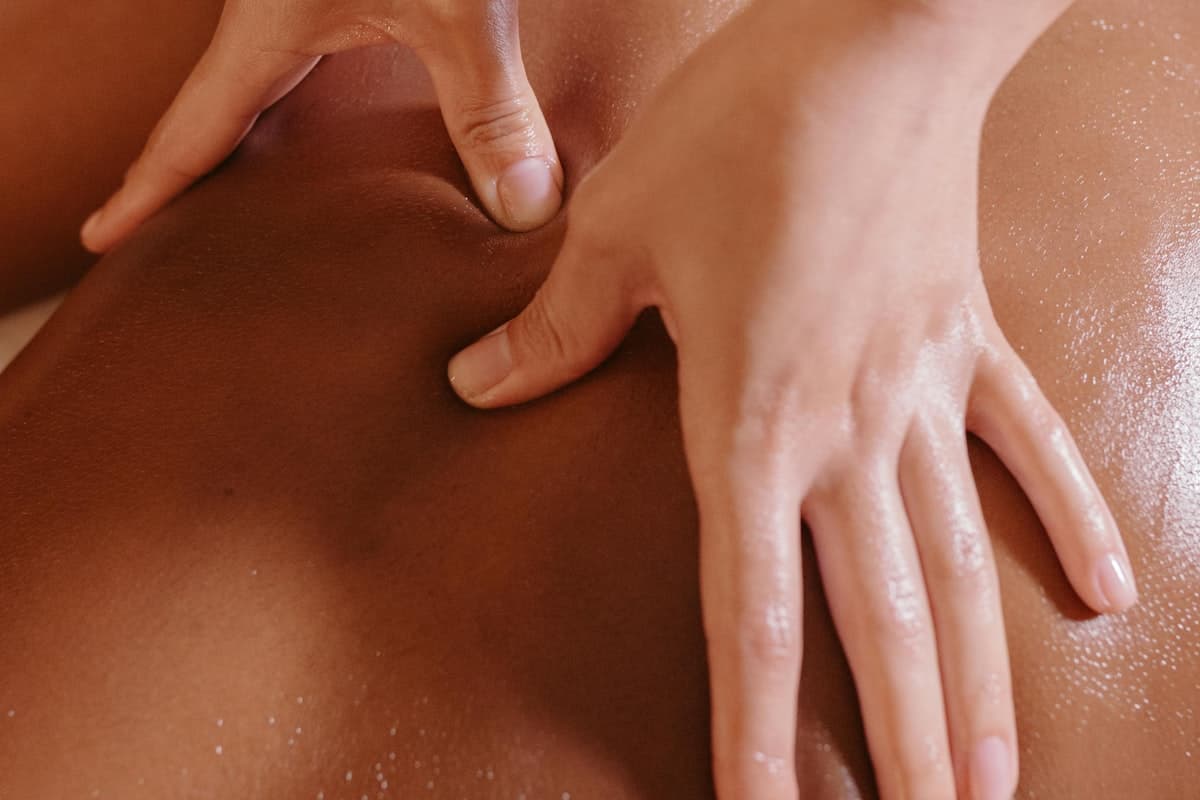
Cupping is one of the easiest services to add to a bodywork or clinical practice. Clients ask for it, it complements the hands-on work you already do, and it takes pressure off your hands and thumbs.
This guide covers why to offer it, the training and scope questions to check for your license, how to pick equipment, and how to get found by clients. If you want a refresher on the modality itself, see what cupping therapy is.
Why offer cupping
Demand is steady. Athletes, desk workers, and people managing chronic tension search for cupping by name, and many will book with whoever offers it nearby.
It also fits your existing work. Cupping decompresses tissue where your hands compress it, so the two techniques cover each other. Just as important, letting the cups do the work spares your thumbs, wrists, and shoulders, which extends the years you can practice.
Training and scope of practice
Before you add cupping, confirm what your license and state allow. Rules vary by profession and by state, so check your board and your liability carrier.
- Massage therapists can usually offer dry and gliding cupping within scope. Wet cupping is generally out of scope. A short hands-on certification course is the norm.
- Acupuncturists are typically trained in fire and dry cupping through their TCM education, and some states permit wet cupping with added training.
- Physical therapists and athletic trainers often use cupping as myofascial decompression, paired with movement, and should document it as a manual therapy intervention.
- Chiropractors commonly add dry cupping alongside adjustments and soft-tissue work, subject to state scope.
Choosing equipment
Skip the temptation to piece together cheap cups from different sellers. Mismatched cup sizes, weak pumps, and thin plastic make sessions harder and look unprofessional to clients.
A complete professional set gives you a full range of sizes, reliable suction, and consistent quality from the first appointment. The Myofascial Releaser cupping set includes 18 cups, hand pumps, and instructions, and you can browse the full lineup at the Myofascial Releaser store. Buy one kit to start, then add specialty cups as your caseload grows.
Getting listed so clients can find you
Once you offer cupping, make it easy to find. Add the service to your website, your booking page, and your Google Business Profile with the word cupping in the description.
Then list your practice on cuppingtherapynearme.com, the directory clients use to search for providers by profession, style, and location. A listing puts you in front of people who are already looking to book.
Integrating cupping into sessions
You do not need to redesign your sessions. Use cupping as a warm-up to soften tissue before hands-on work, as a standalone segment for a tight area, or as myofascial decompression with movement for mobility clients.
Set expectations up front. Explain the marks, how long they last, and basic aftercare so clients are not surprised. Pointing them to plain-language guides like the benefits of cupping or the types of cupping saves you time and builds trust.
Pricing and positioning
Price cupping as an add-on to an existing session or as a focused standalone visit, depending on how you use it. Many providers start with a modest add-on fee, then adjust once they see how much time it takes and how clients respond.
Position it honestly. Cupping is a supportive therapy that pairs with your core work, so describe it as part of a plan rather than a fix on its own.
Common questions
Do I need a separate certification to offer cupping?
It depends on your profession and state. Massage therapists usually take a short hands-on cupping course, while acupuncturists often learn it in their TCM training. Check your licensing board and your liability insurer before adding it.
Is a professional set worth it over cheap cups?
Yes. A complete set gives you consistent sizes, reliable suction, and durable materials, which makes sessions smoother and looks more professional than a bag of mismatched cups.
How do clients find providers who offer cupping?
Most search online by service and location. Add cupping to your website and Google Business Profile, then list your practice on cuppingtherapynearme.com so you show up for people already looking.
Can I combine cupping with the work I already do?
Yes. Cupping decompresses tissue where manual work compresses it, so it pairs well with massage, adjustments, and rehab. Use it as a warm-up, a focused segment, or myofascial decompression with movement.
Find a cupping provider
Search licensed therapists who offer cupping in your city and compare credentials, styles, and reviews.
Find a provider near youTry cupping at home
The professional set many therapists use, with 18 cups, hand pumps, and an instruction booklet.
See the cupping setKeep reading
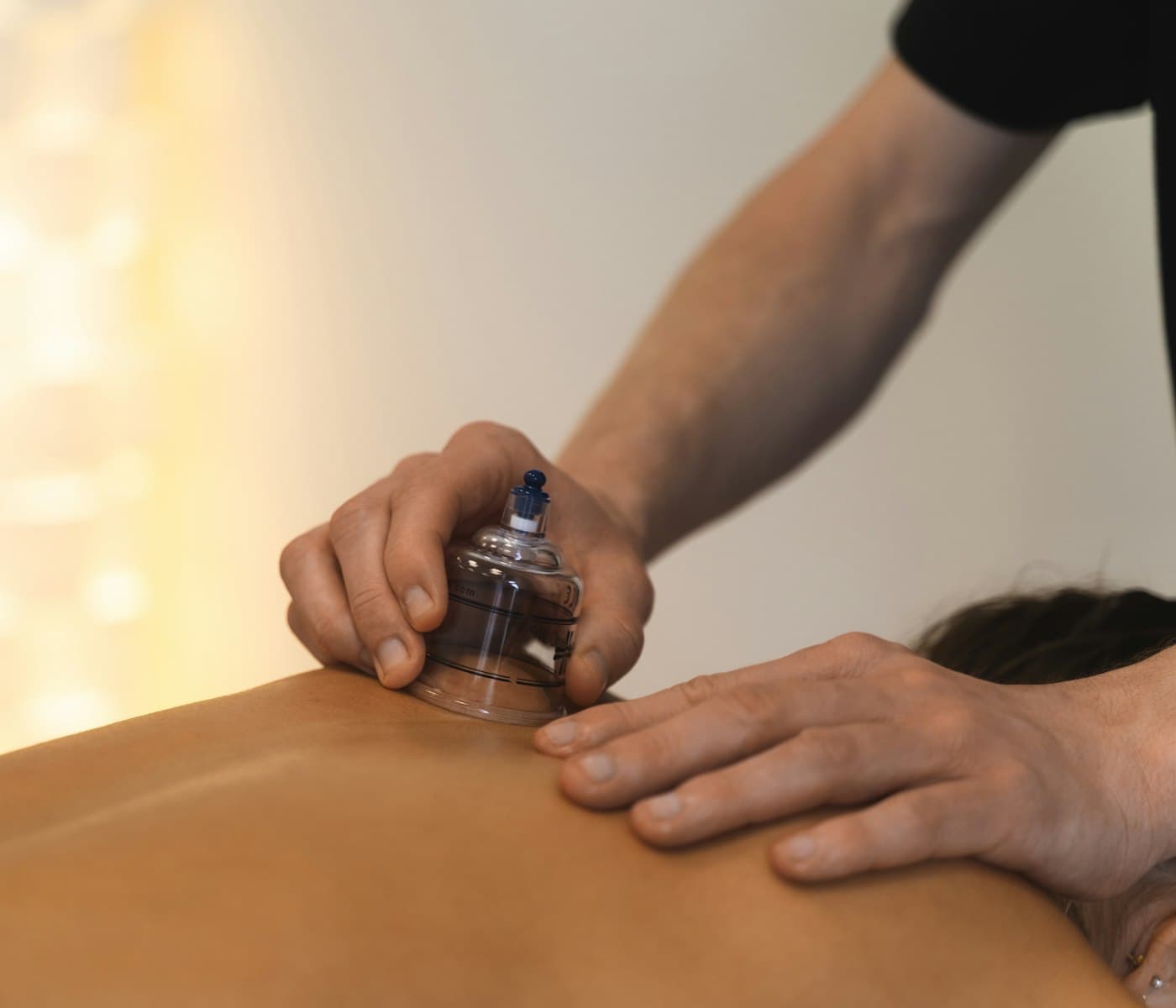
Types of Cupping Therapy: Dry, Fire, Wet, and More
Dry, fire, wet, massage, facial, and myofascial decompression cupping, and who offers each.
Cupping Therapy Benefits: What It Can and Cannot Do
Circulation, muscle tension, range of motion, recovery, and stress relief, with an honest note on the limits of the evidence.
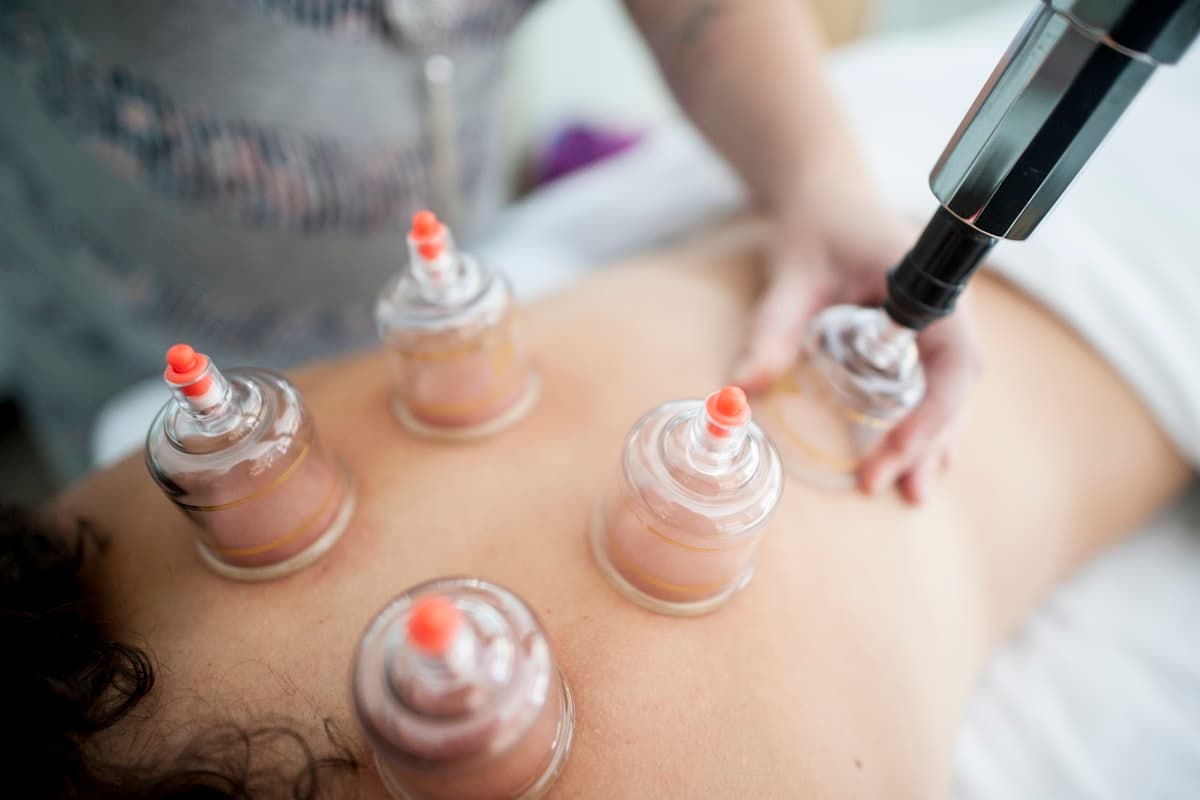
What Is Cupping Therapy? A Plain-Language Guide
How cupping works, who performs it, and what a session feels like, in plain language.
This guide is educational and is not medical advice. For a diagnosis or treatment plan, talk to a qualified provider.